Treasure hunt in the twilight, a fun finding game using paper and torches.
Challenge your friends and family to see if they can find the secret objects you have hidden in this crafty picture.
You will need:
- Felt tip pens, ,markers or dark pencils
- A small torch or light
- Scissors
- Sticky tape or glue (not essential)
A snowfall contains BILLIONS of snowflakes but did you know that no two snowflakes are ever the same?! Snowflakes are made of crystals of ice and different temperatures can lead to different types of snowflakes.
Make your own unique snowflake. Once you’ve got the hang of it, you can make your own snow storm!
Glass lamps have been used for hundreds of years in Muslim places of worship called mosques. Once they are lit, the light shines through the glass, making patterns on the walls.
Brighten up your home this winter by this creative activity inspired by traditional Mosque lamps.
Artist Kaitlin Ferguson shows you how to make your own ichthyosaur using a fossil from the Sedgwick Museum’s collection as inspiration.
There are two different makes that you can try depending on how much time you have.
Make one: Ichthyosaur template
Make two: salt, flour and water to make salt dough (or plasticine or playdough)
Just beneath the waves in shallow tropical seas you'll find a world teeming with life. It's here that we find coral reefs - colourful habitats where countless creatures live.
Unfortunately like many habitats, coral reefs are struggling with the changing climates and environments we see today. These changes lead to 'coral bleaching'.
What is 'coral bleaching'?
Animals have evolved over millions of years to live within the environment that they find themselves in. When that environment changes too quickly, they find it difficult to adapt in time to surive.
The University Library's iconic Tower has over 200 steps to the top and holds nearly a million books! Find out how to create your own Tiny Tower Book to hold your favourite books and other treasures.
For this activity, you will need:
Follow the step-by-step instructions in this film and learn how to draw an Ancient Greek temple. Find out how to decorate it, giving it colour and texture.
For this activity, you will need:
Our big range of Look, Think, Do activities encourage children and families to look deeply and thoughtfully at objects and to respond imaginatively through thinking, talking and making together -from Ancient Egyptian neckpieces to coins stamped by protesting Suffragettes.
You can use the shorter Look and Think activities for just a few minutes or spend a bit longer making something fantastic.
While we sleep at night, a world of nocturnal animals are going about their lives outside. Creatures like foxes and mice, owls and badgers and bats and moths tend to sleep or shelter during the day, and search for food at night.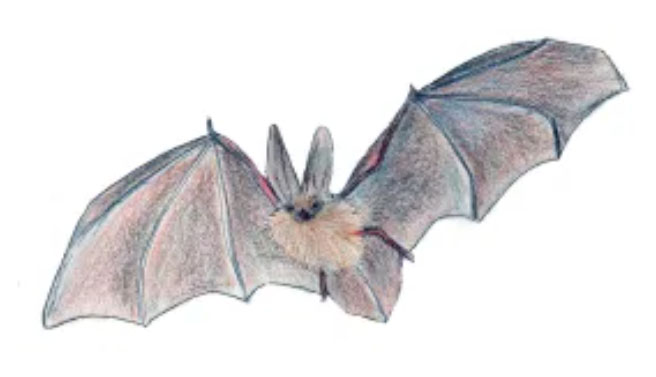
Normally found in the krill-rich waters of the Arctic and Antarctic, the humpback whale swims up to 25,000 km per year, including to warmer waters to breed and give birth.
The seasonally-changing songs of male humpbacks echo through the ocean waters. Measuring up to 16m in length and weighing 25-30 tonnes, these large mammals eat krill, which they filter out of the water through hair-like bristles in their mouth called baleen. They are incredibly agile, often swimming near the surface, where they fluke and breach.