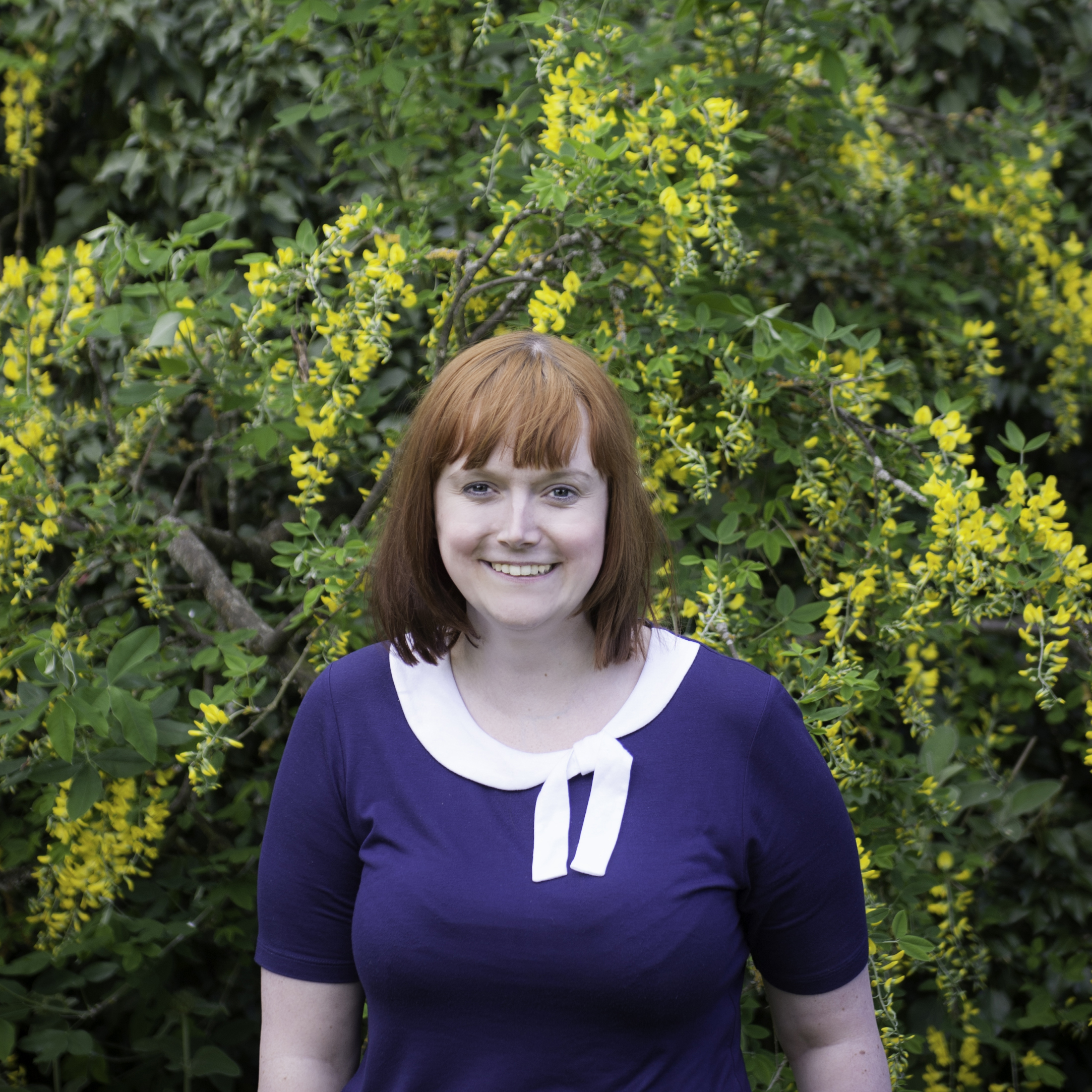
We’re thrilled that Marie Kennedy, our Learning Associate: Young People in the University of Cambridge Museums team, has been shortlisted for a national Museums Change Lives Award for her work.
Led by the Museums Association, the Museums Change Lives Awards celebrate the achievements of museums that are making a difference to the lives of their audiences and communities across the UK.
Marie, along with two others, has been shortlisted for the Radical Changemaker Award 2026, which recognises individuals who have had a transformative impact on the UK museum sector.
To celebrate this milestone, we spoke to Marie about her career in the heritage sector and how her work with underserved young people has developed over the last 13 years.
How did you start your career in museums and in youth engagement?
I completely fell into museums. I did a drama degree, which is all about figuring out how to engage people.
Coming home from university, I ended up getting a job in my local museum in visitor services. I kept seeing all the amazing stuff the learning team were doing and I got really interested. I volunteered and eventually was promoted.
I got a job at Historic Royal Palaces as their first Youth Outreach Officer, before heading back to Norfolk Museums Service in a similar role. I then became the Learning and Skills Manager at Cambridge Junction, which included producing a theatre company for children with special educational needs and disabilities (SEND).
Early in my career, I realised what I really enjoyed doing was working with young people, specifically teenagers. I liked targeting young people that maybe couldn’t access culture for whatever reason and finding ways to engage and be led by them. That became quite a passion project for me.
How did you start the programmes at the University of Cambridge Museums (UCM)?
When I came to UCM in 2013, I had a range of experience with SEND audiences, and I thought there’s a gap here. As a person with a disability, I thought there must be so many people that cannot access our museums because it’s not the right environment. I’ve always seen my role as a way of supporting the consortium to engage young people that don’t engage for whatever reason.
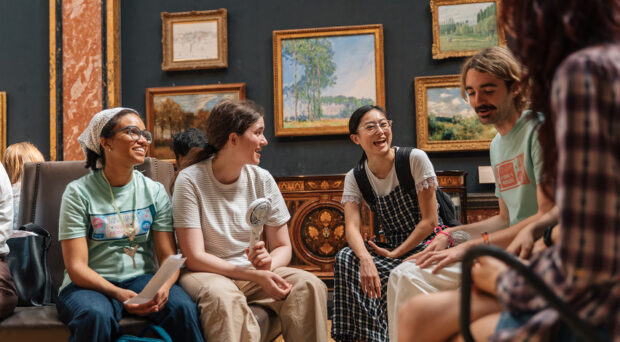
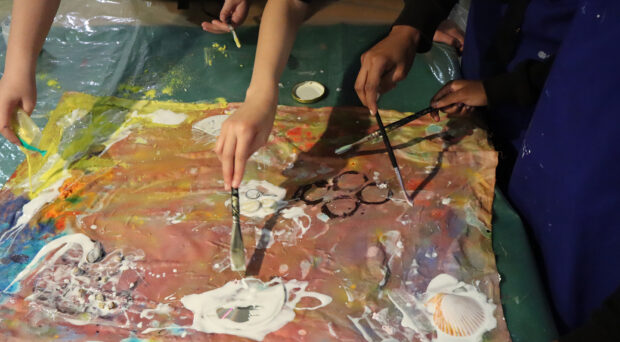
It all started with Arts Pioneers, a monthly art club for young people aged 11-18 with SEND of mixed abilities based at the Fitzwilliam Museum. We offer a friendly and flexible environment where young people can work with professional artists and express their creativity in a group setting, enabling them to mix with other young people with similar interests.
I applied for funding from Cambridgeshire County Council and we were successful in becoming a Short Breaks funding provider, which is quite rare in museums, I think.
It’s a team effort and it is incredible. The young people love it, and they get so much out of it. We see them grow from the age of 11 to 18 and that’s extraordinary. I feel really privileged that I get to see their progression. It’s rare in museum work that you have projects that run over many years.
What else?
Arts Pioneers was a springboard for all our other work and really gave me something to focus on after I came back from a long period of ill health.
We spoke with parents to figure out what they needed, as well as with carers, teachers, siblings, and held a consultation with young people with SEND.
That led to the development of our Disability Friendly Openings for Families. Each school holiday, one of our museums opens exclusively for families with SEND, providing a quieter visiting environment and special sensory activities.
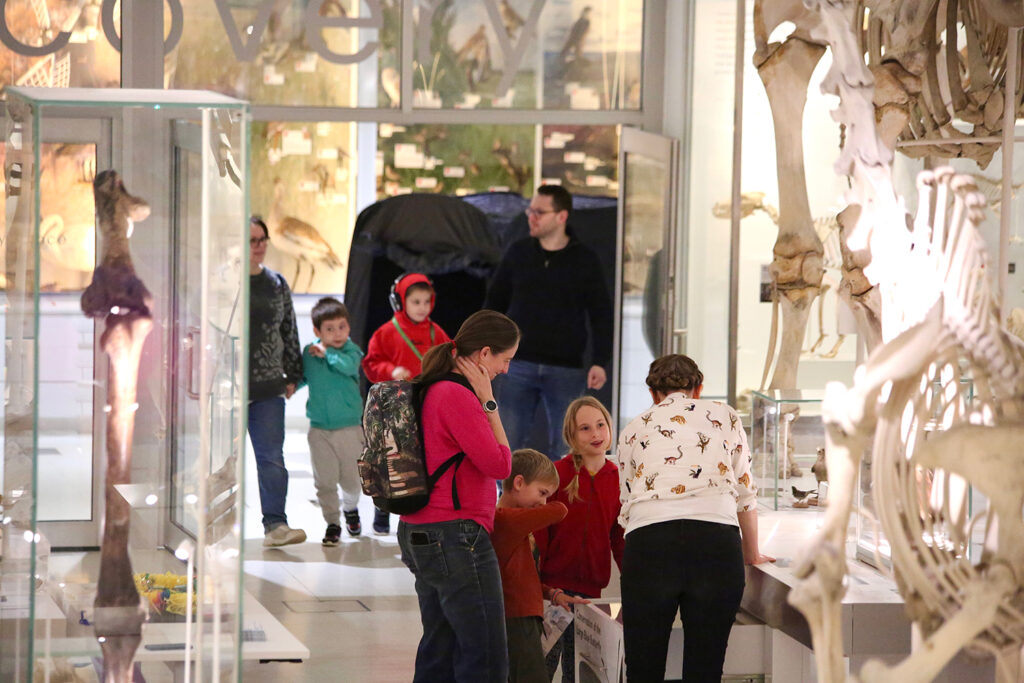
After chatting to parents at the openings, I came up with the idea of Creative Club, offering young people with SEND two hours with an artist across our different museums.
We also send out Art at Home packs with special activities inspired by our collections. These are designed for children and young people with SEND and include different levels of making for different needs. The packs give us a chance to reach out to families who might not manage to participate physically with the collections but want to take part in some activity.
What’s the key to embedding this work in an organisation? What advice would you give to other staff?
The key is always to chat to families and young people with lived experience. What do they want? What would be useful?
A lot of the time they’re not asking for the world. They’re asking for small changes that are quite easy to implement. It can be opening an hour earlier, making some sensory bags or creating a visual story. That can make it easier to sell to managers or leadership.
I feel really lucky and privileged that I work with such amazing educators. Staff in the museums and Botanic Garden are keen to open up the collections. Everyone’s like, how can we make it work?
I think it’s also crucial to collect the data to demonstrate the impact for families. Feedback from people with lived experience is what counts and what helps to embed a programme like this. Word of mouth is essential when building trust within the SEND community.
What has the feedback been from participants?
Some of the quotes from parents are so moving.
You run these programmes and you forget that you see this family for two hours, but they then go home and they might not be able to access anything else. And then you sort of realise that you’ve created something quite special, that where people can feel safe and enjoy things and have a go.
The creative programmes are an amazing outlet for people.
“Each staff member knows her really well. They adjust to everyone’s abilities. She is around adults who will comfort her and support her, so I couldn’t ask for anything more.
“It helps support children who really need that time and a chance to shine. The sessions are structured beautifully without pressure or expectations.
“If Art Pioneers was not available, you would be taking away my hope for my child’s future. It’s a lifeline that I really need. It’s been the best thing ever, the best thing we could’ve chosen for her.” – Parent of Arts Pioneers member
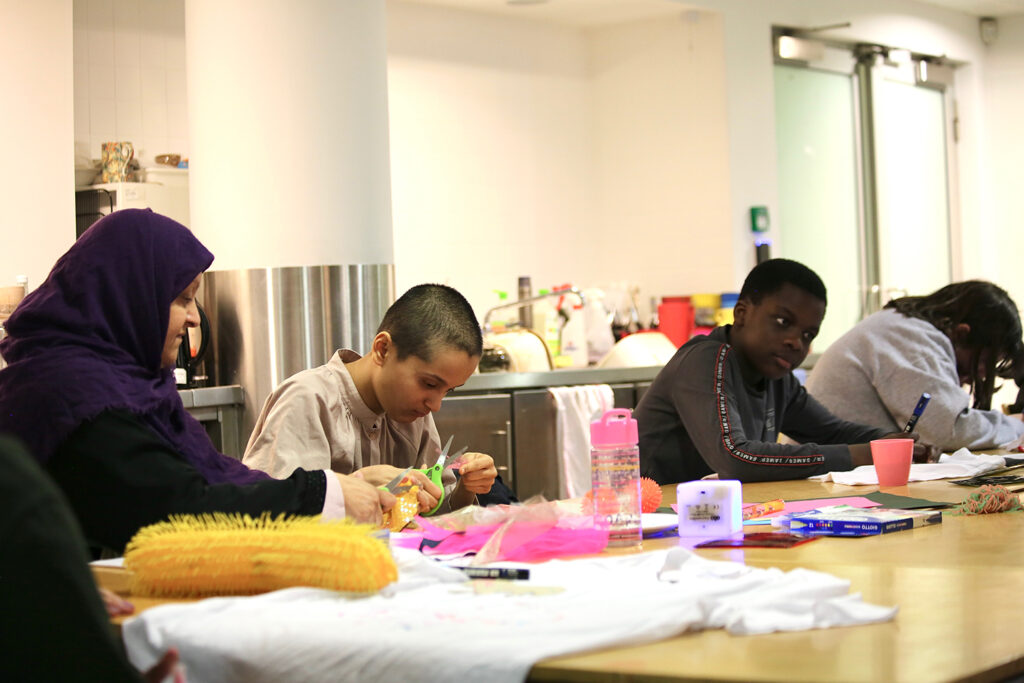
You also to run a programme for Young Parents. Tell us about that.
When I joined the UCM, I continued existing work with Romsey Mill, a local Cambridge charity, to engage young parents.
I tried to create a programme that had structure, but also flexibility, so we could be led by the learners. Over the years, that’s taken us down some wonderful tangents I wouldn’t have expected to go on.
I think there’s a lot of loneliness and judgement around becoming a young mother. What’s lovely is you see the young people growing in confidence again. They remember that they can do things. This programme gives them a way to go somewhere, get a qualification, make friends and share their experiences with others. Every year is very different, and I’ve had some amazing conversations with participants.
We’ve seen a lot of young parents come back with their children to the museum, which always feels hugely important. We’ve made it a safe, welcoming space for them and that just feels like a huge win.
“Oh it’s been amazing. I’ve had so much fun. Honestly, it’s really made us bond with each other and realise what we really enjoy. And it’s good to have just a little time away from our babies and just see what we can do.
“We wouldn’t have probably come to the Museum on our own and it’s really made us get to know the Museum and what it’s about. None of us want it to finish.
“I’m taking away a lot more confidence. I feel like being a young mum… It’s quite hard to explain, but you have that sort of barrier on what people think of you, what you can do, everything like that. But it’s given me a lot of confidence, just to be me and do what I enjoy.” – Young Parents participant from 2025
You’ve been a keynote speaker at the Museums Association Conference, as well as providing case studies, training and conference presentations for national organisations, like GEM and Kids in Museums. Why do you think it’s important to share your work in the sector?
Yes, I’ve advised museums and provided activities for SEND families in places as far afield as America, Germany, India and the USA.
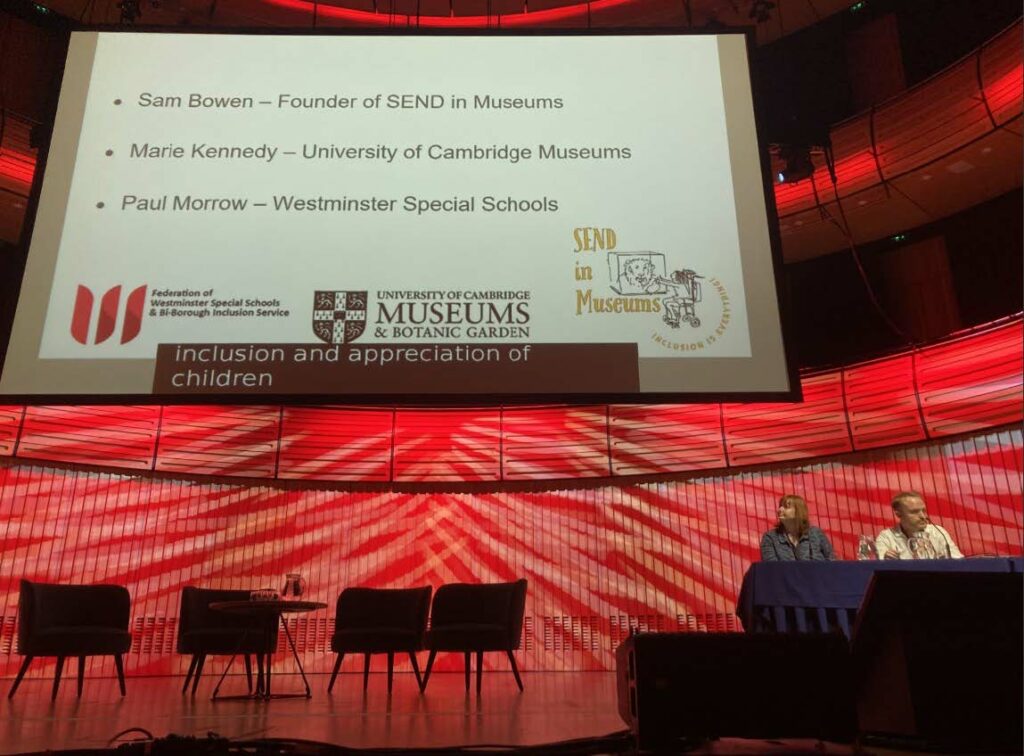
I deliver training internally in the consortium, including autism awareness training, written in partnership with local charity Autism Anglia and a short introductory training session I created called You Don’t Look Disabled.
Sometimes I have some quite bad experiences as a woman living with a disability. I felt like it was important to have something that people can use as a reference with lots of different tips and suggestions about working with people with a variety of disabilities, but also to hammer home the fact that everybody with a disability is different.
Where do you see your work going next?
It’s really difficult for young people with SEND to get work experience, to find someone who will take a chance on them and give them a job.
I think that museums are an incredibly safe space to find out about jobs. Niki Hughes, UCM Opportunities Advisor, and I developed a SEND work experience pilot programme in 2025. I’m excited to see where we can take this next.
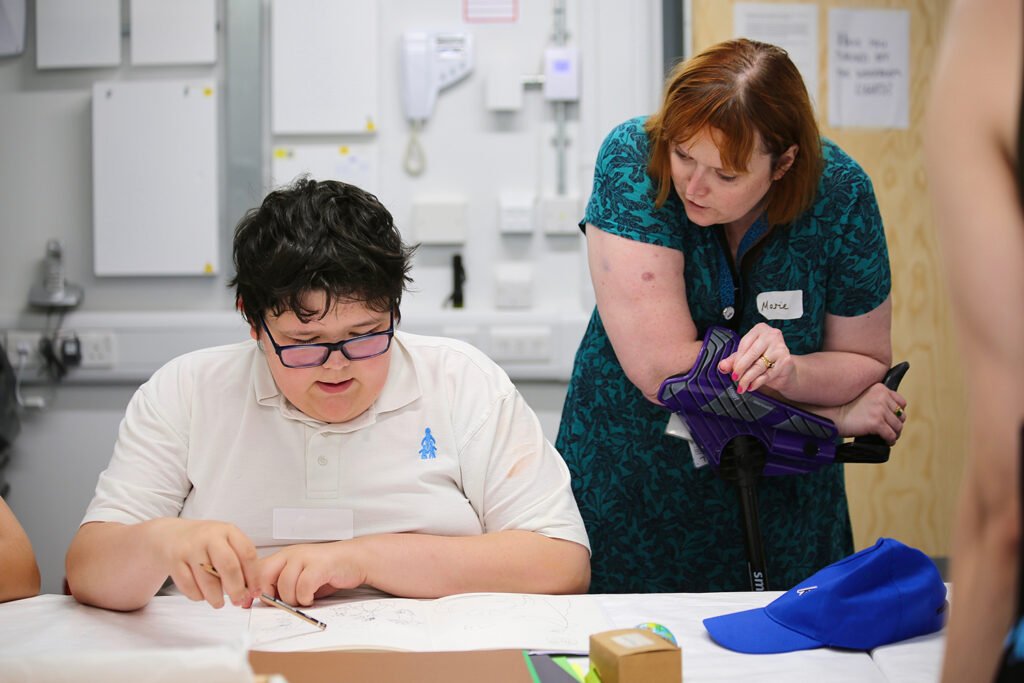
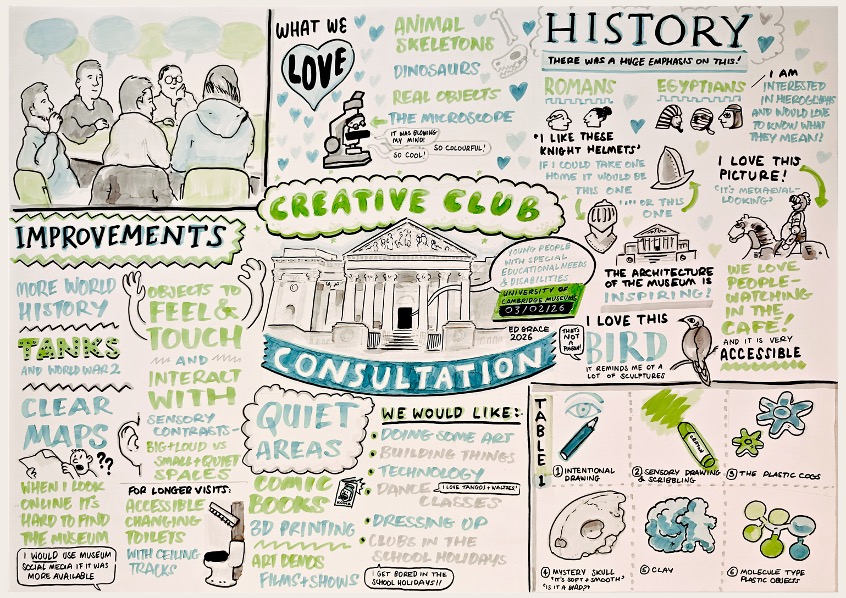
We’re currently reviewing our Creative Club as we weren’t always getting new audiences or a lot of interest. Rather than speaking to parents again, I wanted to try and speak to young people.
I partnered with Speak Out Cambridgeshire and they supported a young person with autism to co-plan and deliver a consultation session with me.
It’s very easy to think, ‘oh, someone’s non-verbal, so they don’t have an opinion about what they want to do’, when they do. You just need to find a way to find out what that is.
The session was very fast paced. We used Makaton, PECS (Picture Exchange Communication System) cards, objects and different art forms to help them communicate what they wanted to do.
They came up with some lovely ideas and we did get a lot of information to take forward, captured by live illustrator Ed Grace.
How do you feel to be shortlisted for such a prestigious national award?
I’m genuinely astonished to be shortlisted. I’m really proud and I think it’s a testament to not only the work that I do, but the work that the consortium does and the fact that we’ve all worked together to create some of these programmes. I’m just really honoured to even be considered, let alone shortlisted. It feels very surreal.
The winners will be announced at the Museums Association’s annual conference at the Birmingham Repertory Theatre on Tuesday 3 November 2026. The winners will receive a cash prize, a trophy, and framed certificate.
See the full Museums Change Lives Awards 2026 shortlist on the Museums Association website.
Find out more about our programmes for young people on our Health and Wellbeing web page.
Thank you to the staff, volunteers and funders who make this work possible: Arts Council England, Cambridge City Council and Cambridgeshire County Council.